Geographical location

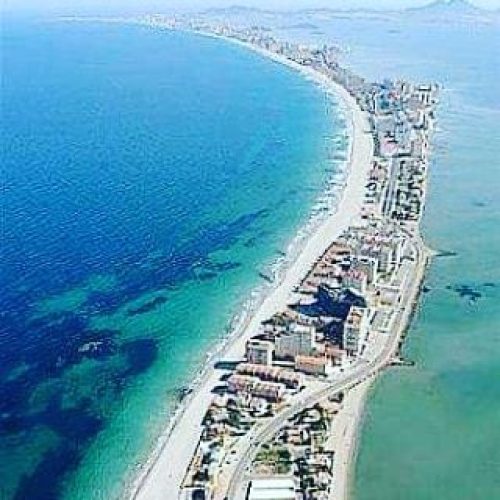
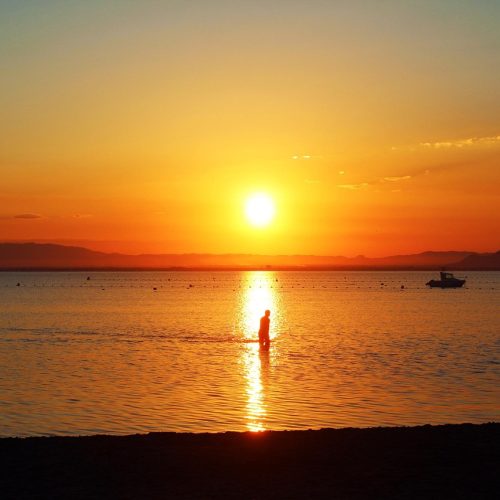
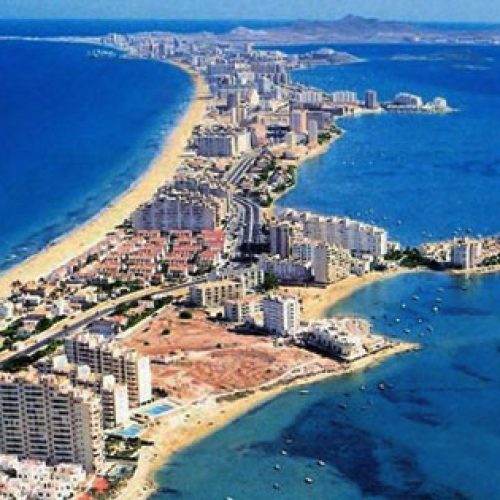
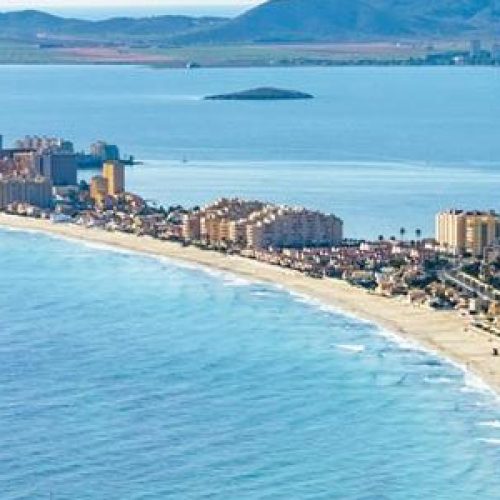
The descriptive name La Manga (the sleeve) refers to an interesting geographical feature that has become one of the most representative symbols of the Murcia coast as a tourist destination: a chain stretching approximately 21 km from Cabo de Palos to La Veneziola, which forms the natural boundary of the saltwater lake known as Mar Menor. Originally, what is now known as La Manga del Mar Menor was a bay open to the Mediterranean Sea; at each end, volcanic reefs gradually retained the sand and sediment carried by the sea currents to form a sandy column of dunes and rocky vegetation and long beaches in contact with two seas: the Mediterranean and the Menor. La Manga is a narrow strip of land varying in width from 200 metres to 1.5 kilometres. It is cut by natural channels that keep the two seas in contact; the “golas” allow water from the Mediterranean to enter the lake. As a result, this area remained unspoilt until the 1960s, when La Manga was “discovered” as a tourist resort and underwent a transformation that included the urbanisation of the area and the construction of tourist infrastructure.

The natural setting of La Manga
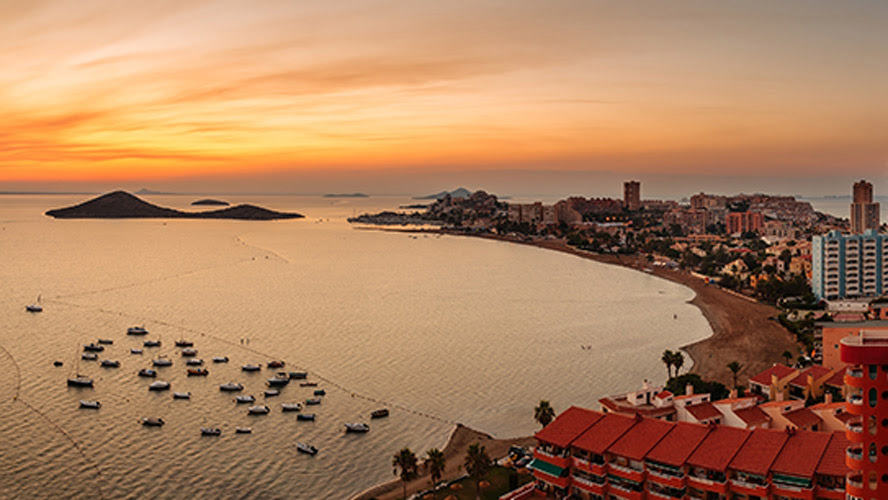
La Manga is a strip of land located in the bay between Cape Palos and San Pedro del Pinatar, forming an inland lagoon that opens onto the Mediterranean Sea, called Mar Menor (Small Sea).
La Manga was formed by the accumulation of sediments, mainly from the Segura River, which, upon reaching Cape Palos, settled, forming this natural barrier over the years and thus creating the Mar Menor.

La Manga is 21 kilometres long and varies in width between 100 and 1,200 metres. Although it connects the two sides of the bay, it does not completely surround the Mar Menor, which is therefore a large lagoon whose waters communicate with those of the Mediterranean Sea.
Thanks to this unique ecosystem, the Mar Menor has enjoyed great natural wealth over the centuries.
Things to see and do in La Manga

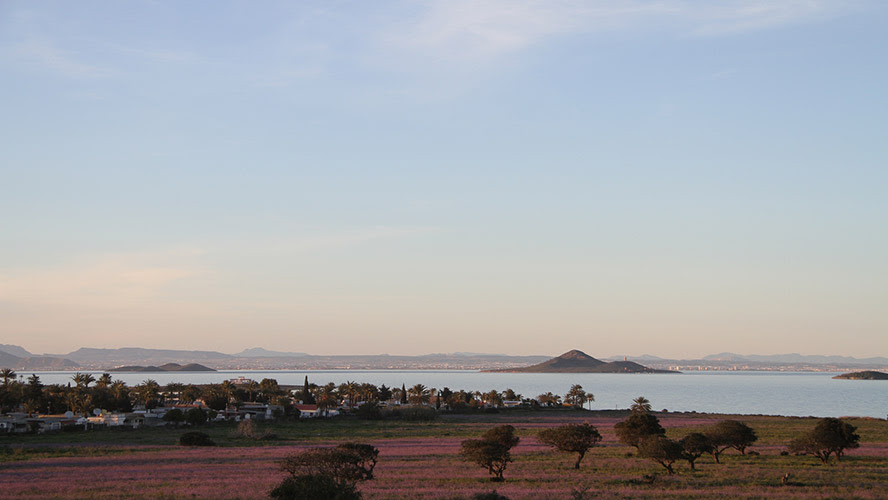
La Manga has several natural areas of ecological interest that are well worth visiting.

Cabo de Palos

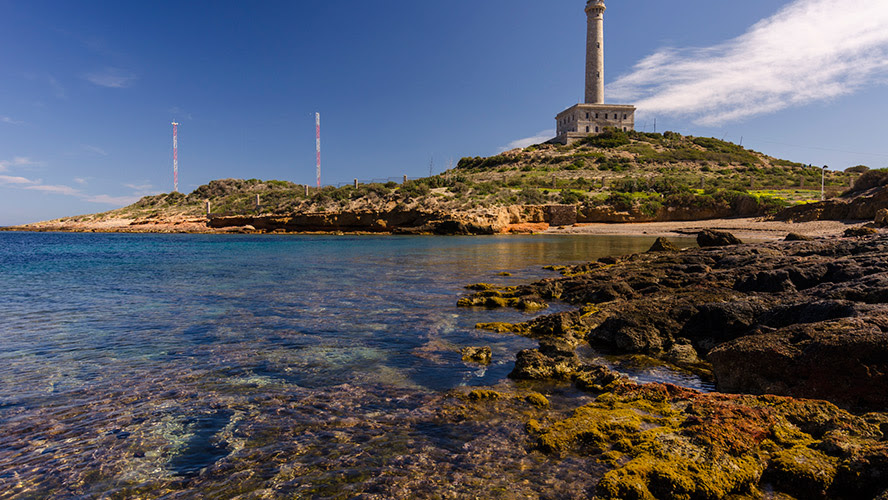
Cabo de Paloss is one of the symbols of the La Manga region. It owes its name to the Latin palus, meaning lagoon or marsh, which connects it to the Mar Menor. It is an iconic cape in Spain, where many shipwrecks and war incidents have taken place, such as the largest naval battle of the Spanish Civil War.
The Cape Palos lighthouse was commissioned in 1865, replacing a watchtower dating back to the time of Philip II of Spain. It stands 51 metres tall and is classified as a cultural heritage site. You can visit it as part of a guided tour.
Around Cabo de Palos, there are numerous beaches, coves and islets that make this region a very attractive place to spend the summer, with pleasant weather guaranteed since the average annual temperature is 18 degrees and there are 3,000 hours of sunshine per year.
The well-preserved seabed around the cape makes it an excellent spot for diving in the Cape Palos and Hormigas Islands Marine Reserve.

Calblanque Nature Reserve

South of Cape Palos lies the Calblanque, Monte de las Cenizas and Peña del Águila Regional Park, a place of unique natural beauty that contrasts with the intensive development of the surrounding area of La Manga.
In Calblanque, you can enjoy a preserved area that combines fossil dunes, cliffs, coves, small sandy areas and botanical species such as pine trees and maquis.
The diversity and conservation of the region mean that it is home to a wide variety of wildlife, as it serves as a refuge for birds such as egrets, stilts, plovers, gulls, peregrine falcons, eagle owls and eagles, as well as mammals such as badgers and foxes, and reptiles such as snakes and lizards.
Calblanque Regional Park is a privileged natural area that has been preserved from urban development and whose riches must be protected. Thanks to this, you can enjoy a total of nine beaches and coves, all preserved and uniquely beautiful.
In Calblanque, you can also go on several hikes, such as the one that climbs up to Monte de las Cenizas, one of the highest points in the region. At 307 metres above sea level, it is a highly recommended viewpoint from which you can see the nature reserve and the Mediterranean Sea.
There is an artillery battery, the Portman cannons, abandoned since 1994, which was part of the defensive network designed during the dictatorship of Primo de Rivera. It still has the two 381 mm Vickers cannons.

Monte Blanco viewpoint

Although particularly narrow, La Manga also has a few small hills from which you can get a better view to understand the region.
Monte Blanco is a small volcanic outcrop with a height of 46 metres. It is located in the Monteblanco area, near a small area of dunes. It is a small viewpoint ideal for spotting landmarks such as the Cape Palos lighthouse and enjoying a magnificent sunset.

Salt flats and sandy areas of San Pedro del Pinatar

La Manga is connected to the north by the San Pedro del Pinatar Regional Park of Salt Flats and Sand Dunes, another exceptional natural area that further enhances the capricious ecosystem that nature has created here.
This 856-hectare nature reserve is a large wetland area that combines salt production with the conservation of an environment that is home to eight kilometres of beaches on its outer edge.
One of the region's main natural assets is that it is a unique nesting site for birds, which is why it is classified as a Special Protection Area (SPA) for birds.
In addition to the beaches, you can visit the visitor centre to learn more about this nature reserve, visit the observatories located in different areas, and try the mud baths in the inland area near Lo Pagán. The mud in these ponds contains high percentages of calcium, magnesium, potassium, fluoride, and sulphates, among other components.
Although mud therapy is officially considered a pseudo-therapy, there is a certain amount of medical tourism for conditions such as arthritis, gout, rheumatism, fractures and skin diseases.

Activities in La Manga

In addition to visiting its natural areas, La Manga offers many other activities:
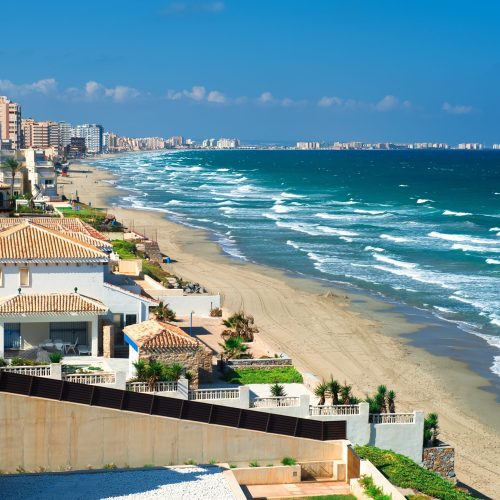
Beaches: although less attractive than the unspoilt beaches in the surrounding area, La Manga also has numerous urban beaches.
Diving: the Cape Palos reserve is one of the best diving sites in the Spanish Mediterranean.
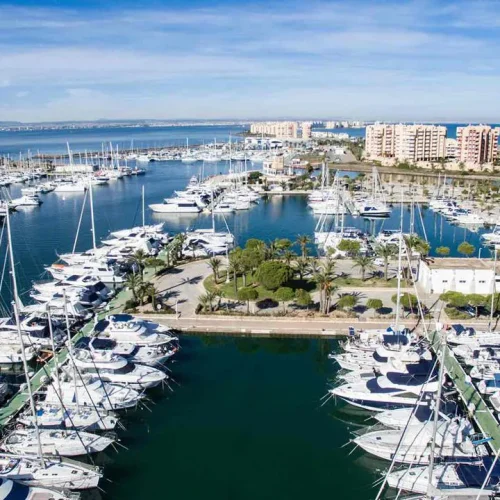
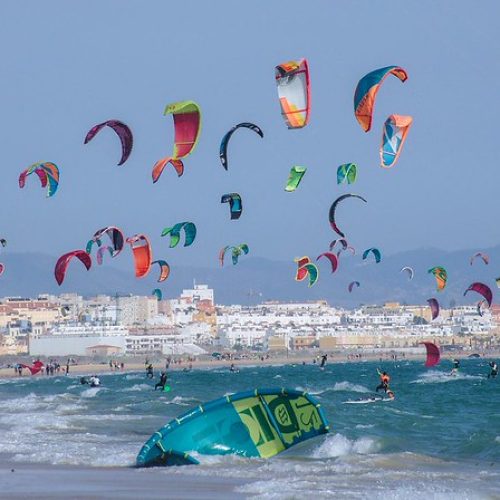
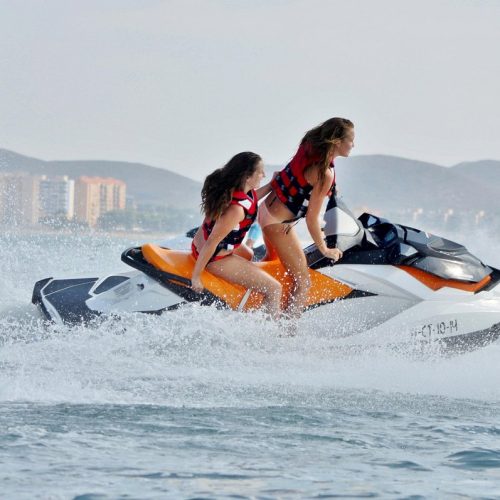
Water sports: sailing, kitesurfing, jet skiing, canoeing and paddle surfing.
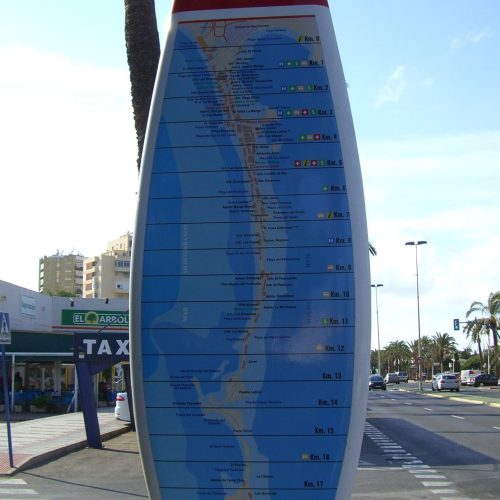
Hiking: in addition to the trails in the surrounding area, you can walk from one end of the peninsula to the other at La Manga.
Children's parks and adventure parks: children can enjoy activities designed especially for them, such as water slides, trampolines, mazes and ball pools.

Where to eat in La Manga

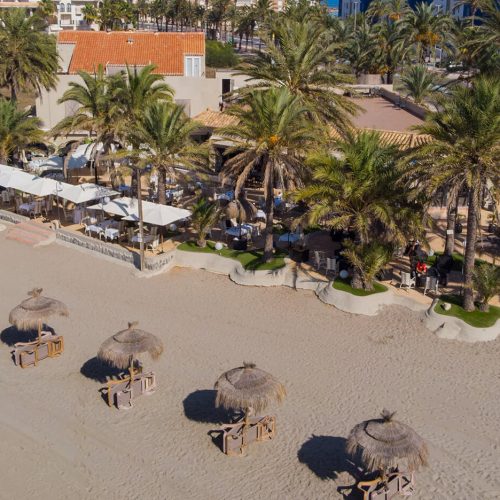
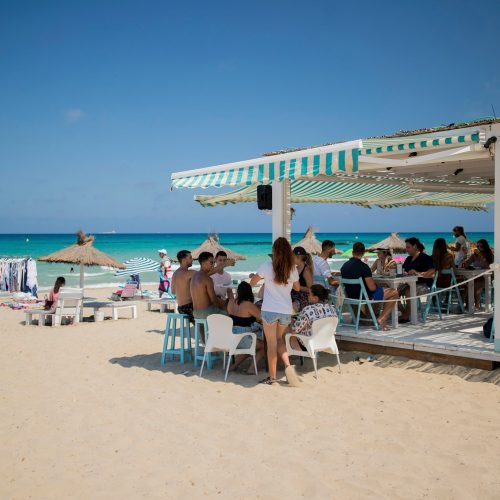
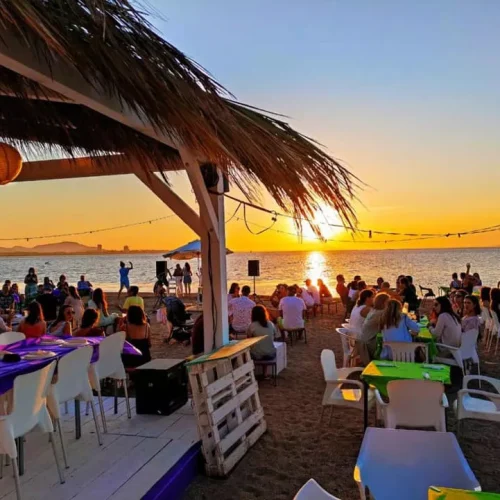
In La Manga, you will find a wide selection of restaurants where you can enjoy a delicious meal, with seafood naturally taking centre stage. Fish, seafood and rice dishes are among the recommendations.
Here is a small selection of restaurants in La Manga:
Maloca: at the foot of Alemanes Beach, an elegant and excellent restaurant with different areas where you can enjoy a romantic evening or organise a wedding. The menu includes many seafood dishes and different types of rice dishes.
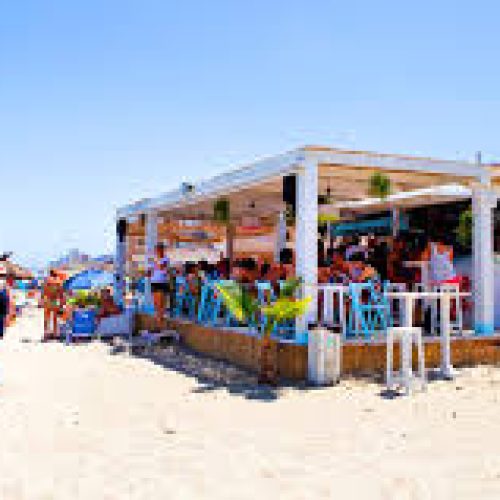
Chiringuito El Barón: located on the beach, a classic that never disappoints, with prices to suit all budgets. From small squid and prawns to fish stews and sea bass, all dishes are cooked to perfection and without complications.
El Parador del Mar Menor: a landmark in the Mar Menor, specialising in fish and boasting a beautiful terrace overlooking the beach.
Malvasía: If you want to enhance your culinary experience, try Malvasía. This restaurant, recommended by the Michelin Guide and awarded a SUN prize by the Repsol Guide, is a creative place with a traditional foundation. It offers a tasting menu at a very attractive price.
Scroll to Top