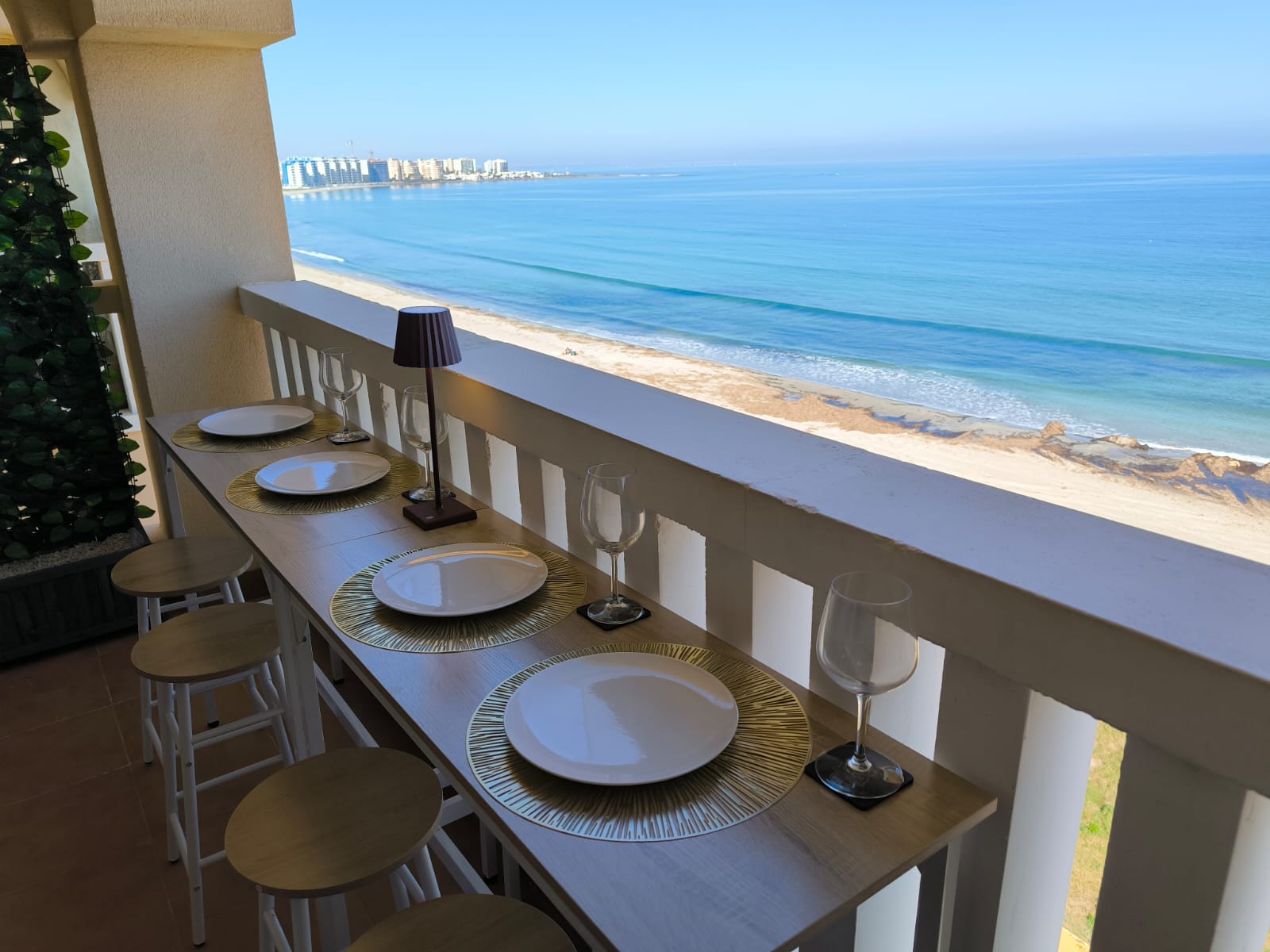
The difference between a restful seaside escape and a tiring one is often decided long before you pack a case. The photographs may promise blue horizons and sunlit terraces, but if the setting is busy, the roads are noisy or the property sits above late-night bars, the mood changes quickly. If you are wondering how to find quiet coastal stays, the answer is rarely a single filter or a lucky booking. It is about reading the setting with care and choosing places designed around calm, not simply close to the sea.
For travellers who value space, beauty and privacy, a quieter coastal stay is not a luxury extra. It is what allows the view to matter, the terrace to feel private and the whole holiday to unfold at a gentler pace. The right address gives you more than proximity to the water. It offers a sense of retreat.
How to find quiet coastal stays without guessing
Most people begin with the obvious search terms – beachfront, sea view, central, close to restaurants. Useful, yes, but not always conducive to peace. The quietest coastal properties are often those that balance access with slight remove. Near enough to enjoy the shoreline, yet far enough from the busiest strips to preserve stillness in the morning and evening.
That means looking beyond the headline description. A property can be metres from the beach and still feel secluded, or it can sit in the middle of a lively promenade where the soundtrack continues well past midnight. Quiet is not only about distance from the sea. It is about what surrounds the home.
A more reliable approach is to assess three things together: micro-location, building style and guest profile. If one of these feels wrong, the atmosphere may not match the promise.
Start with the micro-location, not just the destination
A coastal region can be peaceful overall and still contain pockets of noise. Equally, a popular area may hide elegant enclaves that feel unexpectedly serene. This is why broad destination research only gets you so far. The finer detail matters more.
Look closely at what sits within a short walk. A charming café or a marina can be part of the appeal. A cluster of beach clubs, busy car parks or all-day traffic is a different proposition. Maps and property descriptions can reveal a great deal if you read them with the right question in mind: what will this area feel like at 7 am, at 3 pm and at 11 pm?
Quiet coastal stays are often found in residential stretches, low-density developments or signature properties set slightly apart from the most commercial zones. In these settings, the sea remains close, but the energy is softer. You notice the breeze, not the crowd.
Read the architecture as a clue to the atmosphere
The type of property tells you something about the stay you are booking. Large resort complexes with extensive shared facilities can suit travellers who enjoy movement and sociability. They are not always ideal if what you want is hush, privacy and a slower rhythm.
Smaller collections of carefully chosen villas and flats often deliver a calmer experience because they attract a different guest. The environment feels more measured. Entrances are quieter. Shared spaces are less hectic. Even the view feels more personal.
If you are choosing between several coastal properties, notice whether the presentation centres on volume or quality. Listings that focus only on occupancy, nightlife and convenience may be aimed at a different kind of holiday. Those that highlight elegance, light, views, terraces, privacy and comfort are more likely to align with a tranquil stay.
What to check before booking a quiet coastal stay
The best quiet properties tend to signal their strengths subtly. They do not need to shout. Still, there are practical details worth checking before you commit, especially if calm is one of your main criteria.
First, pay attention to layout. A sea-facing terrace, multiple bedrooms, generous living areas and more than one bathroom can make a notable difference, especially for families or small groups. Peace is not only external. It also comes from having enough room to live well together without feeling compressed.
Second, consider access. Easy beach access is valuable, but if the path runs through the busiest part of town, that convenience may come with noise. Sometimes a property that requires a short, pleasant walk rewards you with a much more composed setting.
Third, look for clues about exclusivity. A private pool, a refined residential building, limited inventory or a curated collection all suggest a more selective hospitality model. That usually translates into a calmer atmosphere than a broad catalogue of mixed-standard rentals.
Reviews, when available, can be helpful, but they need interpreting carefully. One guest’s quiet may be another guest’s too remote. Focus on specific comments about sleeping well, feeling relaxed, enjoying peaceful mornings or appreciating the residential character of the area. These details are more revealing than generic praise.
Timing matters more than people admit
Even the most elegant seaside address changes with the season. A property that feels wonderfully peaceful in May or late September may sit in a livelier environment in high summer. That does not make it a poor choice. It simply means the ideal booking depends on the kind of calm you want.
If your idea of quiet is near silence, shoulder season tends to be the best moment to travel. The coast feels more spacious, restaurants are easier to enjoy and the landscape retains its beauty without the same intensity of movement. If you prefer summer light and warmth but still want tranquillity, then the property itself becomes more important. Spacious interiors, quality insulation, a generous terrace and a private or semi-private outdoor setting can preserve a sense of retreat even in busier months.
This is where premium coastal rentals tend to justify themselves. They allow you to enjoy a sought-after destination without feeling swallowed by it.
Why direct, curated brands often offer a better match
General booking platforms are useful for comparison, but they can make quiet luxury harder to identify. A long list of similar-looking listings tends to flatten the differences that matter most – atmosphere, curation and consistency.
A more selective hospitality brand usually presents a smaller collection with a clearer point of view. That can be particularly valuable when searching for calm. You are not sorting through hundreds of homes with uneven standards. You are choosing within an edited world where location, design and comfort already follow a recognisable philosophy.
For guests seeking serenity by the sea, that curation matters. It often means the homes have been chosen for their setting as much as for their amenities. In a destination like La Manga, for example, a refined collection such as Mariposa offers a more intuitive route to exclusivity, because the properties are presented as distinctive stays rather than interchangeable stock.
How to tell whether a coastal stay will feel restful
There is a certain quality to a genuinely restful property, and it usually appears in the details. The imagery lingers on natural light, open views, terraces and calm interiors rather than crowded amenities. The wording suggests elegance and ease rather than constant activity. The home feels made for lingering.
Try to picture the quieter parts of the day. Where would you have coffee? Would the bedroom feel sheltered? Could children or friends spread out without turning the space into a thoroughfare? A beautiful stay should support the mood you want, not work against it.
It also helps to be honest about your own version of coastal calm. Some travellers want complete stillness and are happy to drive for dinner. Others want a composed base within easy reach of restaurants and the beach. Neither is better. The point is to book a place that matches your rhythm rather than an abstract idea of perfection.
For couples, this may mean prioritising privacy, sea views and elegant outdoor space. For families, it often means choosing enough bedrooms, enough bathrooms and a pool or beach setting that feels easy without feeling crowded. For small groups, the ideal balance is usually shared beauty with enough personal space to preserve comfort.
The most memorable coastal stays tend to get this balance right. They are not cut off from life, but they are protected from its noise.
A quiet address by the sea is rarely found by chasing the cheapest rate or the most dramatic headline. It is found by looking for restraint, by favouring setting over hype and by choosing places that understand that luxury begins with peace. When you book with that in mind, the coast gives you what you came for – light, space and the rare pleasure of hearing the water before anything else.